Cost-Effective Ways to Get Rid of Bulky Waste
Dealing with bulky waste can often seem like an overwhelming task, especially if you're looking to keep expenses low. Old furniture, broken appliances, mattresses, or even garden debris--these large items quickly pile up and create headaches for homeowners, landlords, and even businesses. Fortunately, there are numerous cost-effective ways to get rid of bulky items without breaking the bank. In this comprehensive guide, we'll dive into budget-friendly disposal solutions, eco-conscious methods, and best practices to ensure your space is decluttered responsibly.
What is Bulky Waste?
Bulky waste refers to items that are too large to fit in regular trash bins. These may include:
- Old sofas, beds, mattresses
- Broken or obsolete appliances
- Large toys or sports equipment
- DIY renovation materials
- Garden and yard debris
- Carpets and rugs
Such items require special handling because they can't be disposed of through normal household waste collection. Efficiently managing bulky rubbish doesn't have to be a financial burden--read on for the most effective low-cost methods!
1. Take Advantage of Local Council Collections
Many municipalities offer bulky waste collection services--sometimes free or at minimal cost. These local council-run pickups are an excellent starting point for anyone seeking economical disposal options.
How Does Council Bulky Item Collection Work?
Typically, you'll need to book a collection slot online or via phone with your local authority. Collections may be scheduled a few times per year, or on a request basis. While restrictions apply (such as limits on item numbers or sizes), it's usually one of the cheapest routes for disposing of large waste.
- Check eligibility: Rules vary by area, so consult your council's website.
- Book in advance: Slots fill up fast, so plan ahead.
- Prepare items: Follow guidelines on how and where to leave items for collection.
2. Donate to Charities and Social Enterprises
One of the most sustainable methods to deal with unwanted bulky goods is to donate to charity shops, shelters, or social enterprises. Many organisations are happy to accept gently used furniture, white goods, or household items. Items in usable condition can have a second life and keep disposal costs down!
Benefits of Donating Bulky Waste
- Free collection: Some charities offer free pickups for large household goods.
- Social good: Your donation supports community projects or those in need.
- Environmental impact: Reduces landfill waste and promotes reuse.
Before donating, always check what items are accepted and their condition requirements to avoid disappointment.
3. Use a Furniture & Appliance Exchange Service
Modern cities now feature furniture and appliance exchange services, often running online platforms where users can give away or swap large unwanted items. Websites like Freecycle, Freegle, and local Facebook community groups facilitate connecting with people looking for second-hand goods--helping you dispose of bulky waste at zero cost.
How to Maximise Exchange Services
- Take clear photos and write honest descriptions of your items.
- Arrange safe and convenient pick-up times.
- Always prioritise safety and meet in public places if necessary.
4. Visit Recycling Centres or Civic Amenity Sites
Nearly every town has a local recycling centre (sometimes called tips or civic amenity sites) that accepts bulky waste. For residents, dropping off large items is typically free or subject to a modest charge, making this one of the most cost-effective ways to get rid of bulky rubbish.
What Can You Bring to Recycling Centres?
Accepted items vary but often include:
- Mattresses, sofas, and chairs
- Old fridges, washing machines, and ovens
- Scrap metal, wood, and garden waste
- Carpets, electronic devices, and more
Check opening hours, bring proof of residence, and sort items (metal, electronics, textiles) for seamless drop-offs.
5. Organise a Garage or Yard Sale
Turn your clutter into cash with a classic garage or yard sale. Selling bulky waste that's still usable is a savvy way to offset disposal costs or even make some money. While it requires some effort, it's straightforward and helps items find new homes.
- Advertise locally: Use flyers, social media, and community boards.
- Bundle items: Increase appeal by grouping similar goods together.
- Negotiate prices: Be open to offers, especially for old or worn items.
6. Ask Retailers about Take-Back Programs
Many appliance and furniture retailers now operate take-back schemes for old products when you buy a replacement. This is especially common for beds, sofas, and white goods (like fridges or washing machines). Typically, the removal is included in the delivery or installation price--or offered at a small additional fee, which is often cheaper than hiring external removal services.
- Ask when purchasing new items about take-back and removal policies.
- Ensure old appliances or furniture are unplugged, cleaned, and ready for collection.
7. Pool Resources with Neighbours
If you and your neighbours have accumulated bulky rubbish, consider organising a shared collection or hiring a skip together. Splitting the cost can substantially lower the individual expense, making it a great solution for community-minded blocks or streets.
- Coordinate with neighbours for collection dates.
- Choose a bulk collection service or rent a skip that fits everyone's needs.
- Ensure the skip or collection spot is accessible and agreed upon.
8. Hire a Man and Van or Local Removal Service
For those who lack the means to transport heavy items, a man and van service can be a cost-effective choice--especially for small loads. Prices are generally based on volume or item count and can be competitive, especially compared to hiring a skip for a few items. Request quotes from several providers and review online feedback before booking.
How to Save on Man-and-Van Removals
- Disassemble or group items for faster loading.
- Book during off-peak days or hours for discounts.
- Clarify upfront if there are extra fees for stairs or heavy lifting.
9. Break Down and Recycle What You Can
Another smart approach is to dismantle bulky items into smaller, recyclable components. For instance, furniture can be broken down into wood, metal, and textile for recycling. Appliances may have hazardous materials (like refrigerant gas in fridges)--always consult your local recycling guidelines.
- Remove metal components for scrap recycling.
- Sort plastic, textiles, and wood accordingly.
- Always practice safety--use proper tools and protective gear.
10. Avoid Illegal Dumping--It's Not Worth the Risk!
While it may be tempting to fly-tip or leave bulky waste in unauthorised locations, illegal dumping carries hefty fines, risks to the environment, and social stigma. With so many affordable alternatives for bulky waste disposal, ensure you choose one that's responsible, legal, and eco-friendly.
Cost Comparison: Which Bulky Waste Disposal Method is Cheapest?
| Disposal Method | Average Cost | Convenience |
|---|---|---|
| Council Collection | Low / Often Free | Medium |
| Donation/Reuse | Free | High (if picked up) |
| Recycling Centre Drop-off | Free / Low | Medium (you transport) |
| Man and Van | Low-Medium | High |
| Skip Hire (individual) | Medium-High | High |
| Skip Hire (shared) | Low-Medium | Medium |
Frequently Asked Questions on Bulky Waste Removal
What counts as bulky waste?
Bulky waste includes any items too large for standard waste bins: furniture, large appliances, mattresses, exercise equipment, and yard debris.
Are there any free bulky waste disposal options?
Yes! Donations, council pickups (depending on your area), recycling centre drop-offs, and online give-away networks are often free of charge.
How can I be sure my bulky waste is disposed of legally?
Always use licensed waste carriers, reputable charities, or official council services. Avoid informal "tip runs" without paperwork, as you may be liable for fly-tipping fines.
Are there eco-friendly ways to dispose of bulky waste?
Absolutely! Reuse, upcycling, and recycling are the greenest options. Donate, sell, or dismantle items to maximise their environmental benefit before considering disposal.
Tips for a Hassle-Free Bulky Waste Clearance
- Plan ahead: Book services or gather resources before your items pile up.
- Sort & Separate: Identify items suitable for reuse, recycling, and disposal.
- Ask for help: Bulky waste can be heavy--don't risk injury lifting alone.
- Stay informed: Local waste rules, opening hours, and eligibility may change--check before you load up.
Upcycling: The Hidden Potential of Bulky Waste
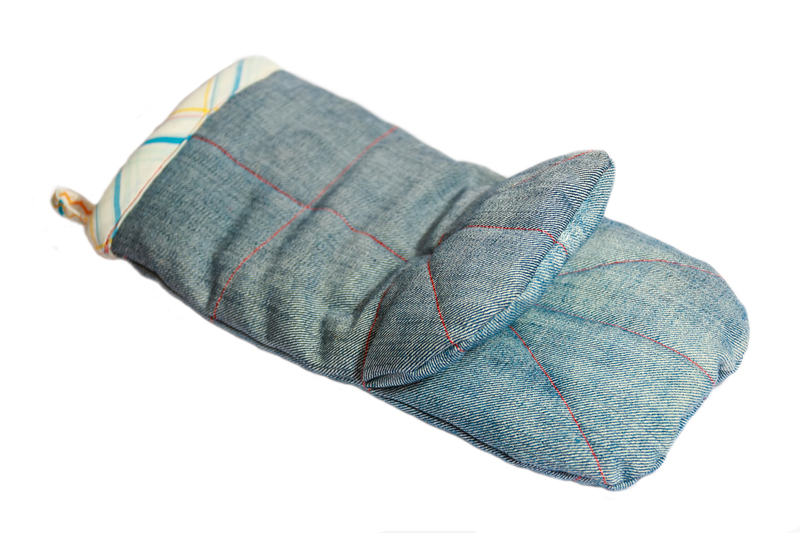
Before sending bulky items to the tip or arranging for pickup, consider creative upcycling projects. Wooden pallets become garden planters, suitcases become stylish storage, or an old door transforms into a unique desk. By giving large waste items a new lease on life, you save money and reduce environmental impact.
Conclusion: Declutter Smartly, Responsibly, and on a Budget
Getting rid of bulky waste doesn't have to be expensive or stressful. By utilising council services, donations, recycling, and online networks, you can declutter your home or workplace in an eco-friendly and cost-efficient manner. Always explore local, legal, and community-minded options first before resorting to paid removal services.
Remember: With a little planning, resourcefulness, and community collaboration, managing bulky rubbish can be easy on both your wallet and the planet.
For more tips on waste reduction, recycling, and green living, explore our other articles or contact your local council for current programs and advice.