A Guide to Environmentally Friendly PPE Waste Disposal
Personal protective equipment (PPE), such as masks, gloves, face shields, and gowns, has become a critical tool for public health and workplace safety. However, with increased usage, especially during health crises, environmentally friendly PPE waste disposal has become a global concern. Without sustainable waste management practices, discarded PPE can contribute significantly to environmental pollution, putting marine, terrestrial, and even human health at risk.
This comprehensive guide explores best practices for eco-friendly PPE disposal, from reducing and reusing to recycling and safe waste management. Whether you're an individual, healthcare provider, business owner, or environmental professional, understanding the lifecycle of PPE and adopting green disposal solutions is essential for a sustainable future.
Why Is PPE Waste a Growing Environmental Problem?
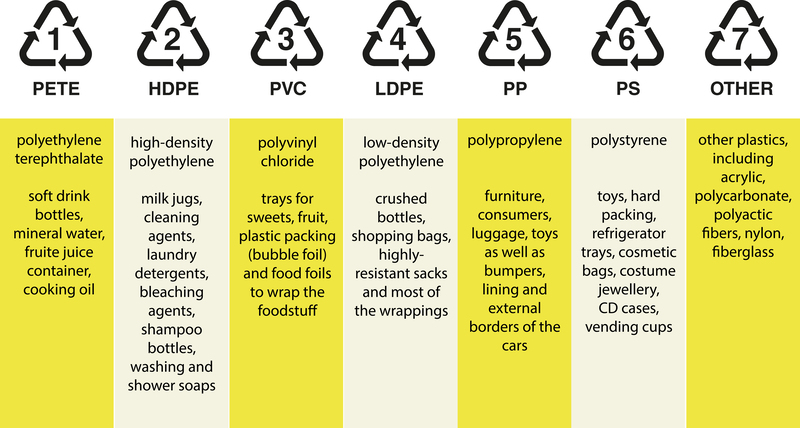
PPE items are primarily made from single-use plastics such as polypropylene and polyethylene. While these materials offer effective barriers against pathogens, they pose serious threats to the environment when not disposed of responsibly. Here's why:
- Persistence in the Environment: Most disposable PPE takes hundreds of years to degrade, breaking down into microplastics that disrupt ecosystems.
- Wildlife Hazards: Animals can ingest or become entangled in discarded PPE, leading to injury or death.
- Contamination Risks: Used PPE can carry infectious agents, making unregulated disposal a health hazard and an environmental threat.
With billions of PPE items consumed globally each month, addressing sustainable PPE waste disposal is critical for preventing long-term ecological damage.

Principles of Environmentally Friendly PPE Waste Management
Implementing green PPE waste disposal practices begins with the classic principles of sustainability, often referred to as the "Reduce, Reuse, Recycle" hierarchy, tailored to the special needs of PPE waste.
1. Reduce: Minimize PPE Usage Where Possible
- Opt for reusable PPE when appropriate.
- Conduct risk assessments to use PPE only when necessary.
- Train staff and individuals on effective PPE use to avoid wastage.
Reducing consumption not only saves resources but also limits waste generation.
2. Reuse: Select Reusable PPE Alternatives
- Choose washable masks, gowns, and eye protection when feasible.
- Follow manufacturer's guidelines for safe reuse and cleaning.
- Invest in higher-quality, durable PPE for routine or non-high-risk settings.
Reusable PPE products significantly lower the volume of waste sent to landfill or incinerators.
3. Recycle: Seek PPE Recycling Programs
- Identify specialized recycling facilities that accept PPE materials.
- Separate clean PPE (such as unused masks or packaging) from contaminated items.
- Partner with organizations offering PPE recycling solutions.
PPE recycling helps recover valuable plastics and reduces reliance on virgin materials, contributing to a circular economy.
Safe and Sustainable PPE Waste Collection
Proper PPE waste segregation is fundamental to both environmental safety and infection prevention. Here's what to consider:
Designated PPE Disposal Bins
- Install labeled waste receptacles specifically for PPE disposal in public places, workplaces, and healthcare facilities.
- Use color-coded bins to distinguish PPE waste from general and recyclable waste streams.
- Ensure bins are touch-free (foot-pedal operated) to lower risk of cross-contamination.
Guidelines for Handling Potentially Infectious PPE Waste
- Wear protective equipment when handling collected PPE waste.
- Seal full bags tightly before transporting.
- Store waste bins away from food preparation and eating areas to prevent secondary contamination.
Following these collection and handling tips ensures that PPE waste is managed safely and sustainably from the point of discard.
Eco-Friendly PPE Disposal Methods
There are several environmentally conscious methods for disposing of PPE waste. The best approach depends on local resources, the type of PPE, and whether items are contaminated or not.
1. Mechanical and Chemical Recycling
- Mechanical Recycling: Some facilities shred and melt PPE plastics into pellets, which are then used for new products (e.g., construction materials or textiles).
- Chemical Recycling: PPE plastic can undergo chemical processes to break down polymers into original monomers for repolymerization, creating new plastic goods.
Note: Collection for recycling requires PPE to be clean and uncontaminated. Most used PPE from healthcare settings should not be recycled due to infection risks.
2. Waste-to-Energy (WTE) Solutions
- Specialized incinerators convert PPE waste to energy, capturing the heat to generate electricity or steam.
- Modern WTE facilities are equipped with advanced pollution controls to minimize emissions.
While not the most eco-friendly approach compared to reduction or recycling, WTE provides a viable alternative to landfilling by recovering energy from waste plastic and reducing landfill volumes.
3. Compostable PPE Options
- Biodegradable PPE made from plant-based materials can sometimes be industrially composted.
- Confirm compostability certifications and proper facility availability before using biodegradable PPE.
Switching to compostable PPE holds future promise, but current adoption is limited by availability and cost.
4. Landfilling as a Last Resort
- If no better alternatives exist, contaminated PPE should be disposed of in lined, managed landfills.
- Take care to prevent littering or illegal dumping, as this causes direct environmental harm.
Landfilling PPE should be minimized, emphasizing reduction, reuse, and recycling efforts first.
Innovative PPE Waste Solutions Worldwide
Around the world, new approaches are emerging to make PPE waste management more sustainable. Some notable examples include:
- TerraCycle's PPE Recycling Programs: Specialized boxes allow businesses and communities to collect and ship used PPE for recycling, keeping waste out of landfills.
- PPE to Asphalt: Research initiatives are exploring how shredded masks and gloves can reinforce roads and construction materials.
- Upcycling Initiatives: Artists and designers are repurposing used masks and gloves into fashion, furniture, or art installations.
Supporting these programs accelerates the transition to a greener, less wasteful future.
Implementing Environmentally Friendly PPE Waste Practices at Work and Home
Whether you're managing a healthcare facility, business, or household, you can take active steps towards more responsible PPE waste disposal:
For Individuals and Families
- Favor reusable, washable masks wherever possible.
- Dispose of used PPE in designated bins; never litter masks or gloves in public spaces.
- Cut mask ear loops before disposal to prevent wildlife entanglement.
- Educate family members about proper PPE waste disposal.
For Businesses and Organizations
- Provide guidance and training on sustainable PPE management.
- Set up dedicated PPE recycling or collection stations.
- Partner with certified waste handlers or recycling companies.
- Switch to eco-friendly PPE alternatives where available.
- Monitor PPE usage to avoid unnecessary waste.
For Healthcare Facilities
- Ensure all staff use and dispose of PPE according to infection prevention protocols.
- Choose reusable PPE products where contamination risks allow.
- Explore participation in healthcare-specific PPE recycling programs.
Active participation and leadership by organizations set positive environmental standards for communities.
Challenges to Environmentally Friendly PPE Waste Disposal
Despite growing awareness, there are still barriers to the widespread adoption of eco-friendly PPE waste solutions:
- Contamination Concerns: Most used PPE is deemed infectious, posing a risk to recyclers and waste workers.
- Lack of Recycling Infrastructure: Few facilities are equipped to process PPE plastic; most recycling centers reject PPE waste.
- Economic Viability: Recycling and alternative disposal methods can be more costly than landfill or incineration.
- Public Awareness: Many people are unaware of the environmental impact or proper disposal methods for PPE.
Overcoming these challenges requires collaboration between governments, industries, and the public.
What the Future Holds for Sustainable PPE Waste Management
Technological advancements, material innovation, and stronger policy frameworks are shaping a more sustainable approach to PPE waste. Key trends for the future include:
- Growth in the manufacturing of biodegradable PPE using materials like bamboo, paper, or bioplastics.
- International standards and certifications for compostable and recyclable PPE products.
- Greater investment in PPE recycling infrastructure and public-private partnerships.
- Increased consumer demand for sustainable PPE and corporate social responsibility.
By supporting innovation and responsible policies, individuals and organizations can accelerate the shift toward environmental sustainability.
Frequently Asked Questions about Eco-Friendly PPE Waste Disposal
Can you recycle used face masks and gloves?
Most local recycling programs do not accept used masks and gloves due to potential contamination. Specialized recycling programs, such as those offered by TerraCycle or select healthcare waste partners, can process clean, uncontaminated PPE. Always check local guidelines.
Is burning PPE waste a sustainable option?
Incineration with energy recovery is better than landfilling, but not as sustainable as reduction or proper recycling. Waste-to-energy incinerators must meet strict environmental standards to limit air pollution.
What should I do with used PPE at home?
Safely place used PPE in a dedicated bag or bin. Dispose of it as directed by local waste authorities--typically as general waste, unless specialized collection is available. Never flush masks or gloves down the toilet.
Are there environmentally friendly alternatives to disposable PPE?
Yes, options include reusable and washable masks, face shields, and gowns. Some companies now offer biodegradable or compostable PPE made from plant materials, although availability varies.
Conclusion: Everyone Has a Role in Sustainable PPE Waste Management
The surge in PPE use will likely continue for public health and safety, but it doesn't have to mean ongoing environmental harm. By embracing environmentally friendly PPE waste disposal practices, making informed choices, and supporting innovation, we can protect both public health and the planet.
Remember: Reduce where possible, reuse when safe, recycle with programs designed for PPE, and dispose responsibly. Every action--big or small--contributes to a cleaner, greener future for all.
- Reduce your PPE use by choosing reusable options.
- Reuse safely and according to guidelines.
- Recycle with specialized programs if possible.
- Educate others on the importance of eco-friendly PPE waste management.
Together, we can minimize the environmental impact of PPE and create a more sustainable world for future generations.